

Women’s Oral History Archive Podcast Laha fe el Tarekh Alamat

Her Mark in History: A Podcast for Pioneer Women’s Voices
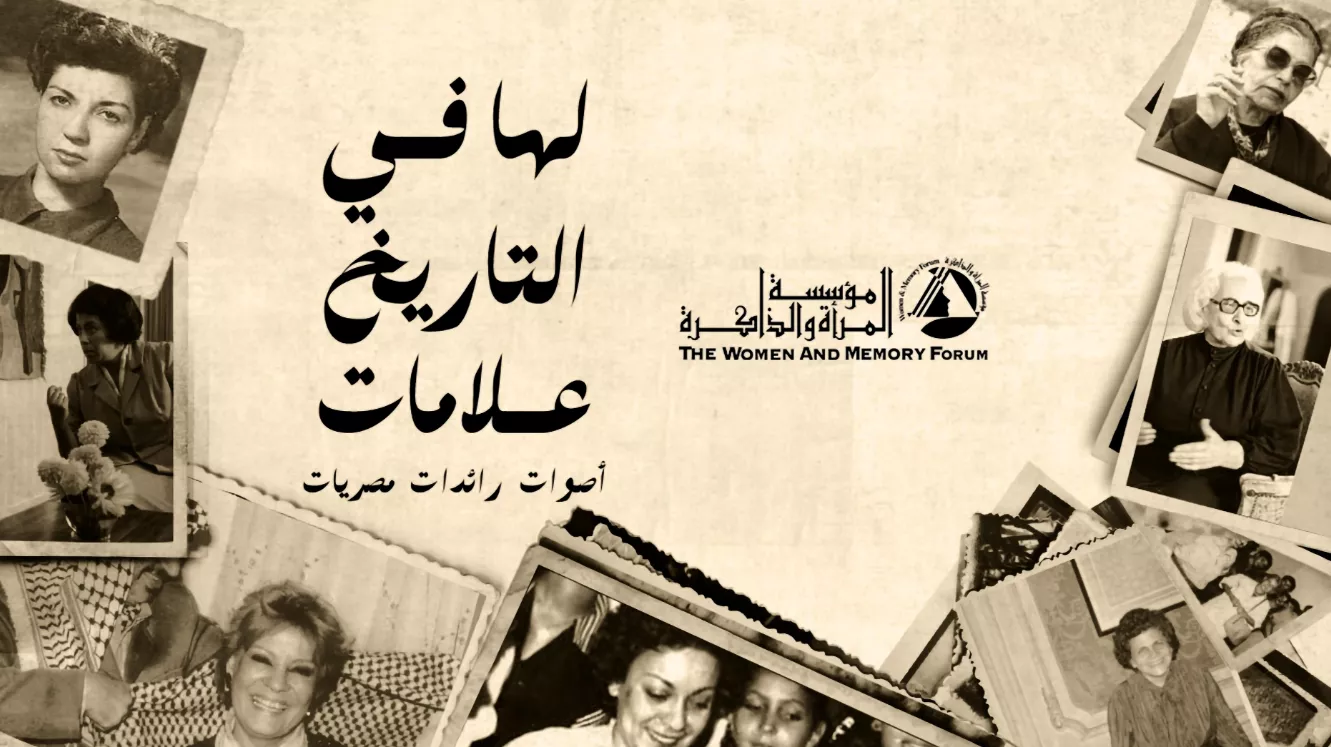
Her Mark in History is a multimedia project launched by the Women and Memory Forum (WMF) in December 2024 to narrate women’s history in Egypt through a combination of traditional and contemporary media. A Podcast for Pioneer Women’s Voices is the first phase of Her Mark in History, and on 25 December the first episode was shared on online social media platforms.
The podcast features audio clips from the oral history interviews conducted by the WMF to document the life stories of pioneer Egyptian women in the Women’s Oral History Archive. Clips from interviews recorded across 30 years were selected for 15 short podcast episodes, each dedicated to a pioneer Egyptian woman. A Podcast for Pioneer Women’s Voices gives the wider public, especially the younger generation, access to women’s history narrated in their own voices, aiming to keep women’s memory and life experiences present and heard.
In addition to the podcast, Her Mark in History includes multimedia traveling exhibitions of women’s history in Egypt since the 1930s. This project is part of the WMF’s mission to document and narrate Egypt’s history and collective memory from the perspective of the women who left their mark in history and via sources that bring together the public and the private. The project revives the memory of Egypt’s pioneer women and introduces the younger generation to the public roles and contributions of the women marginalized in official history narratives.
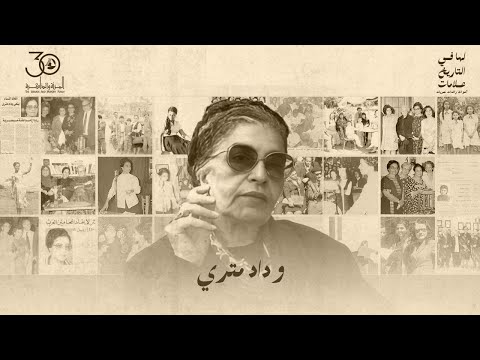
Wedad Mitri (1927-2007)
Wedad is a pioneer of Arab liberation movements and struggles for gender and class equalities. She left her mark on Egypt’s history by teaching girls and young women in several public schools, coordinating aid to families displaced by the Tripartite Aggression on Egypt, and registering women to vote, in addition to advocating for Algeria’s independence at the World Peace Council, and visiting Palestinian refugee camps to document the crimes of the Israeli occupation.
Tahani Mokhtar (19xx - 2013)
Tahani is a pioneer of social service. She left her mark on Egypt’s history by raising funds for the Red Crescent during the Tripartite Aggression, volunteering to provide medical aid at the Suez battlefront in 1968, and leading the social aid committee in Sayeda Zainab during the 1992 earthquake, in addition to working on developmental projects with Save the Children Organization and the Social Association for Productive Families.
Rasmeya Ali Eissa (1916-2006)
Rasmeya is a pioneer of educational management. She left her mark on Egypt’s history by spending her life as a teacher then school principal, training women teachers, cofounding the league for university graduates in education, and advocating for the establishment of the Teachers Syndicate, in addition to joining the League for Social Reform and serving as the Chairperson of the Girls Welfare Association to provide social support to underprivileged girls.
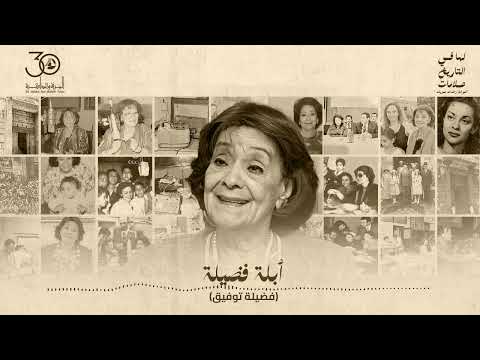
Fadila Tawfiq, Abla Fadila (1929-2023)
Abla Fadila is a pioneer of radio broadcasting and children’s media. She left her mark on Egypt’s history by coordinating university sits-ins and protests against the British Occupation before dedicating her life to producing children’s radio programs, in addition to serving as the Director General of the children’s radio programs and the Head of the General Program at the Egyptian Radio.
Fakiha al-Shazli
Fakiha is a pioneer of nursing. She left her mark on Egypt’s history by dedicating her life to the nursing profession, working as a nurse then a Chief Nurse, and serving as the Director of a nursing home for the elderly.

Kawkab Hefni Nasif (1905-1999)
Kawkab is a pioneer medical practitioner. In addition to her commitment to the national liberation movement and the women’s rights movement, she left her mark on Egypt’s history when she became one of the first Egyptian women to practice medicine, to perform a cesarean surgery, and to join the Egyptian Medical Syndicate. She served as the Chief Director of Kitchener Hospital (now Shubra General Hospital) and trained generations of women medical practitioners and hospital staff.